

Gold has remained a favorite in jewelry for generations, but buying a gold piece today involves more than choosing a beautiful color or design. Shoppers also need to understand karat purity, durability, craftsmanship, maintenance, and how the piece fits into everyday life.
For anyone looking for jewelry that can become part of a personal collection, understanding the difference between gold types is a useful first step. Among the choices available, solid gold is valued because the gold material runs throughout the piece rather than existing only as a surface layer.
At Isabella Celini, the focus is on jewelry that combines thoughtful design with everyday style. Understanding what makes gold jewelry different can help shoppers make more confident choices and select pieces they will enjoy for years.
What Is Solid Gold Jewelry?
Solid gold jewelry is made from a gold alloy throughout the jewelry piece. The word “solid” does not mean that the item is made from 24K pure gold. Instead, it means the jewelry is not simply gold-plated over another base material.
Pure gold is 24K, but it is naturally soft. For jewelry that needs to handle regular wear, gold is commonly mixed with other metals to improve strength and durability. According to the Gemological Institute of America (GIA), 14K gold contains about 58.3% pure gold, with the remaining portion made up of alloying metals.
This is why karat matters. It tells you about the proportion of gold in the alloy.
Understanding 14K Gold
14K gold is one of the most practical choices for everyday jewelry. It contains 14 parts gold out of 24, while the remaining 10 parts consist of other metals.
Those additional metals help make the material harder than pure gold. GIA notes that 14K and 18K gold are generally better suited to everyday ring wear than 24K gold because alloying improves strength.
For shoppers, this creates a useful balance between gold content, appearance, and durability.
The color can also vary depending on the alloy. Yellow gold maintains the traditional warm appearance associated with gold, while white and rose gold achieve different shades through their alloy compositions.
Why Choose Solid Gold for Everyday Jewelry?
Jewelry is often more enjoyable when it fits naturally into everyday life. A necklace worn with a simple shirt, a ring paired with other pieces, or a bracelet added to a casual outfit can become part of someone's regular style.
Solid gold has several characteristics that make it attractive for long-term ownership.
It Is Not Just a Surface Finish
With plated jewelry, the visible gold layer sits over another material. That surface can eventually wear away with use.
Solid gold is different because the gold alloy extends through the material. This makes it possible to polish, clean, and maintain many solid gold pieces over time without simply removing a thin decorative coating.
That does not mean solid gold cannot scratch. Gold is still a relatively soft precious metal, and everyday contact can leave marks. Proper care remains important.
It Works Well With Different Styles
Gold does not have to look traditional or formal. Modern jewelry designs can be delicate, minimal, bold, textured, or layered.
A simple gold chain can work with everyday clothing, while a more detailed ring or pendant can become the focal point of an outfit. This versatility is one reason gold continues to work across changing fashion trends.
It Can Become a Long-Term Collection Piece
A well-made gold piece can be more than an occasional accessory. Many people choose jewelry based on how easily they can wear it repeatedly.
A simple design is particularly useful because it can move between different settings. The same necklace might work with office clothing during the day and a dress for an evening event.
What Makes Solid 14K Gold Jewelry a Popular Choice?
When people search for Solid 14K Gold Jewelry, they are often looking for a balance between quality and practicality.
14K gold has a lower gold percentage than 18K or 24K, but that does not automatically make it a poor-quality option. In fact, the added alloy metals contribute to a harder material that can be suitable for frequent wear. GIA's jewelry guidance identifies 14K gold as an everyday-wear option.
For someone who wears jewelry frequently, that balance can be valuable.
It is also worth remembering that jewelry quality is not determined by karat alone. Construction, thickness, clasp quality, stone settings, finishing, and overall craftsmanship can all influence how a piece performs.
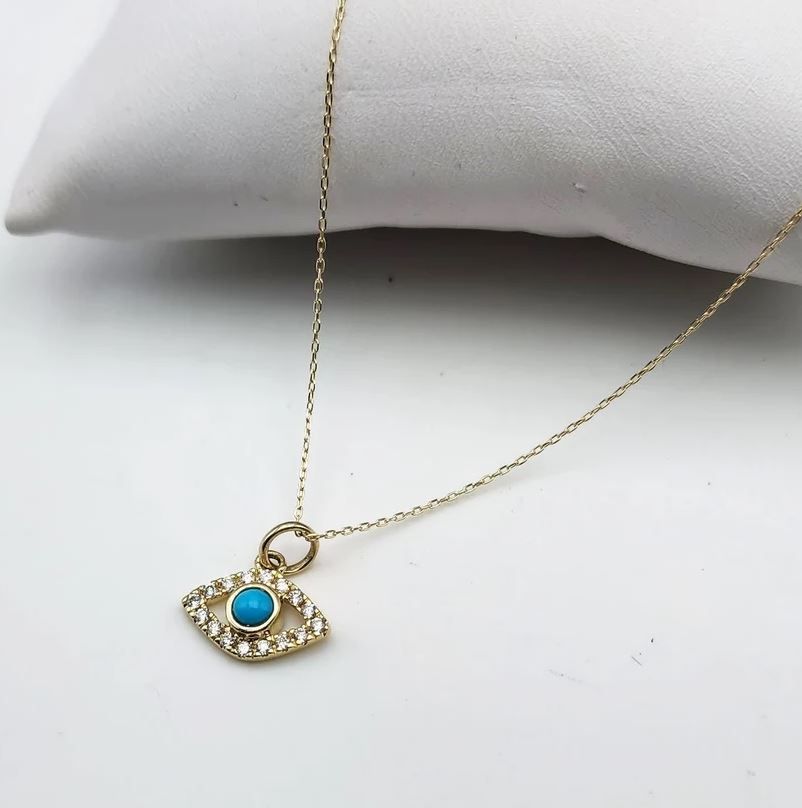
How to Identify Quality Gold Jewelry
Buying gold jewelry should involve more than looking at a product photograph. A few details can help shoppers make better decisions.
Check the Karat Mark
Many gold pieces carry a quality mark indicating their karat. A 14K marking can indicate 14-karat gold, although markings should not be treated as the only evidence of authenticity.
GIA recommends paying attention to quality marks and notes that professional testing methods can be used to determine gold content.
Understand What You Are Buying
Terms such as gold plated, gold filled, vermeil, and solid gold describe different construction methods. They should not be treated as interchangeable.
A buyer should read the product description carefully and confirm the metal type before purchasing.
Consider Craftsmanship
Look closely at the details. A good piece should have clean finishing, secure closures, smooth edges, and properly constructed connections.
For necklaces and bracelets, examine the clasp and connecting points. For rings, look at the inner and outer finish. If gemstones are included, check whether the settings appear secure.
A beautiful material still needs good construction to become a dependable piece of jewelry.
Solid Gold vs. Gold-Plated Jewelry
The main difference is how the gold is used.
Solid gold jewelry is made from a gold alloy throughout the piece. Gold-plated jewelry has a layer of gold applied over another material.
Gold plating can create an attractive appearance, but the outer layer may eventually show signs of wear. GIA has documented cases where items represented as solid gold were actually plated or constructed using other materials, highlighting why accurate product descriptions and verification matter.
This is why shoppers should buy from brands that clearly explain their materials instead of relying only on the appearance of a product.
Caring for Your Gold Jewelry
Even high-quality gold jewelry benefits from sensible care.
Start with simple habits. Store individual pieces separately when possible to reduce scratches and tangling. A soft jewelry pouch or lined box can help protect the surface.
When cleaning gold jewelry, use gentle methods appropriate for the specific piece. Avoid exposing jewelry unnecessarily to harsh household chemicals, and remove delicate pieces before activities that could cause physical damage.
Regular inspection is also useful. Check chains, clasps, prongs, and other connecting points from time to time. Catching a loose component early can help prevent a lost piece.
Gemstones require additional consideration because different stones have different levels of hardness, toughness, and stability. GIA explains that gemstone durability involves more than scratch resistance alone.
Choosing Gold Jewelry for Your Lifestyle
The best jewelry is not necessarily the most elaborate piece. It is the one that fits how you actually live.
If you prefer understated accessories, a slim chain or small pendant may be a better everyday choice. If you enjoy layering, select pieces with different lengths and textures that work together without looking crowded.
For rings, consider how often you use your hands and whether the design can comfortably handle your normal routine. Bracelets may need slightly different considerations because they experience frequent movement and contact with surfaces.
Think about your wardrobe, too. Yellow gold can complement warm and neutral tones, while different gold colors can create contrast with clothing and other jewelry.
Building a Timeless Jewelry Collection
A jewelry collection does not need to grow quickly. Start with versatile pieces that you genuinely expect to wear.
A classic necklace can become a foundation for layering. A simple ring can be worn alone or combined with other rings. A refined bracelet can add detail without overwhelming an outfit.
This approach makes each purchase more useful. Instead of buying pieces that only match one outfit, look for designs that can move between casual, professional, and special occasions.
Isabella Celini takes a modern approach to jewelry by focusing on designs that can fit naturally into everyday wardrobes. The goal is to make jewelry feel easy to wear rather than reserved only for important events.
Why Material Knowledge Matters
Understanding gold terminology helps shoppers compare jewelry more accurately.
A 14K mark tells you about gold purity. “Solid” describes the construction of the piece. Craftsmanship tells you about how the jewelry has been made. These are separate factors, and all of them deserve attention.
When these details are considered together, it becomes easier to choose jewelry based on real value rather than appearance alone.
Final Thoughts
Choosing Solid Gold Jewelry is about more than selecting a beautiful accessory. It means understanding the material, karat, construction, craftsmanship, and care requirements before making a purchase.
For many everyday jewelry lovers, 14K gold offers a practical combination of gold content and durability. Solid 14K Gold Jewelry can provide a versatile foundation for necklaces, rings, bracelets, and other designs that can become part of a personal collection.
With clear product information and thoughtful craftsmanship, jewelry becomes easier to choose and more enjoyable to wear. Whether you prefer a minimal chain, a classic ring, or layered pieces, understanding what is behind the material helps you make a decision that suits both your style and your everyday routine.